Can Reflex Integration Help with Eating and Breastfeeding Issues?
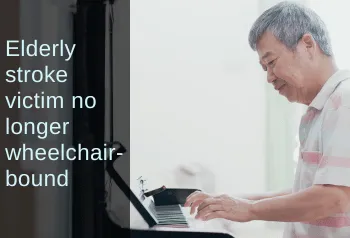
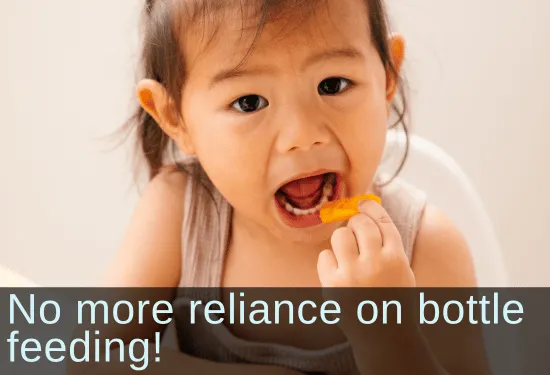
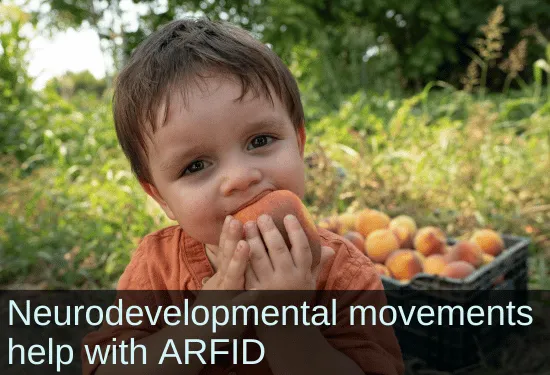
Many individuals who exhibit feeding difficulties have underlying motor deficits and sensory processing challenges. These issues can make the actions of chewing, swallowing, or sucking inefficient, laborious, or uncomfortable. For example, the smell of food, or the sensations involved in chewing can feel noxious. Newborns may have difficulty latching and breastfeeding. Older children may exhibit food aversion and picky eating. Numerous primitive reflexes provide the foundations for oral-motor function and sensory development and are important for the ability to comfortably consume food across the lifespan. Integrating primitive reflexes may be exceptionally helpful for addressing a variety of feeding challenges, including avoidant/restrictive food intake disorders (ARFID) and issues arising from poor oral-motor functioning. Because primitive reflex integration supports optimal motor control of the mouth, tongue, arms, and hands—all of which are involved in self-feeding—it is also effective as part of post-stroke rehabilitation.