

Neurodevelopmental Movements: Foundation for Optimal Function

The innate neurodevelopmental movements are an example of the intelligence inherent in human development—they are a true wonder because of their power to transform the brain, body, and sensory systems. Whether the neurodevelopmental movements are driving the brain development of an infant, helping a stroke patient recover, turning around ADHD, or resolving learning challenges in a child, their capacity to calm and mature the neuro-sensory-motor systems is unmatched. Discover how neurodevelopmental movements impact physical, social-emotional, and cognitive skills, and why they are essential to human functioning.
How Primitive Reflex Integration Improves Sensory Processing
Primitive reflexes and sensory processing are intertwined in our neurology and development. Because these systems affect each other, reflex integration can be used to achieve positive outcomes for many sensory-based conditions.
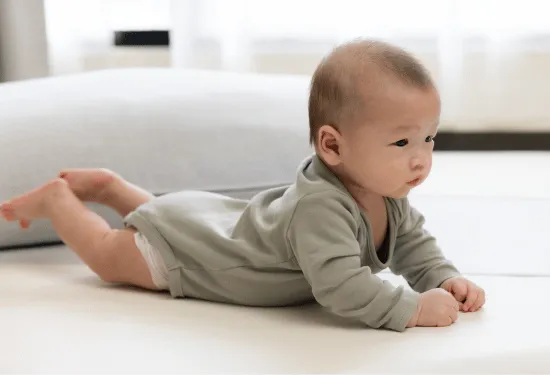
Helping Children Thrive by Expanding Prone Time Possibilities
Babies need to spend adequate time on their bellies to develop fully. Though most agree with this statement, babies today may not be receiving nearly enough time in prone to develop optimally. How much time should infants spend on their bellies?
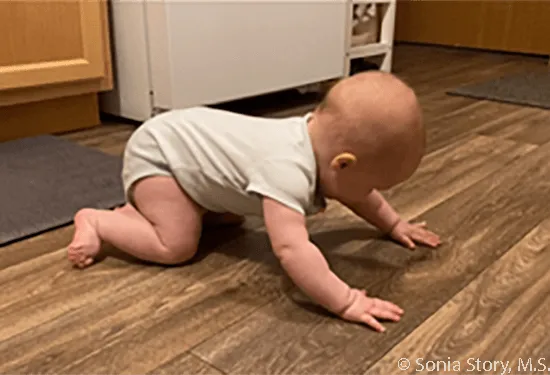
Benefits and Shortcomings of Crawling Programs—3 Recommendations to Support Optimal Crawling
Many parents and professionals are aware of the important role crawling plays in development. But when a child lacks a strong neurodevelopmental foundation, are crawling programs helpful or not?