Eye Contact Improves After Innate Rhythmic Movements and Primitive Reflex Integration
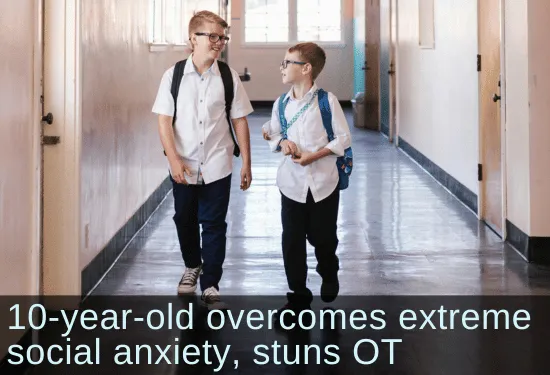
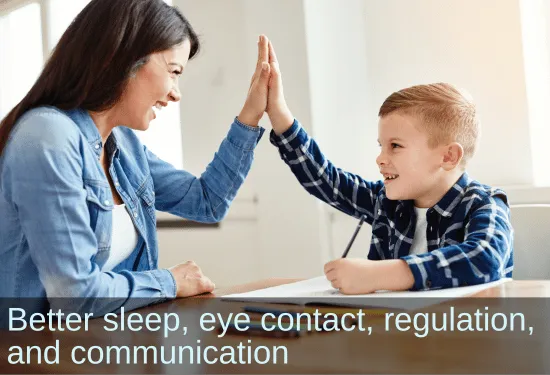
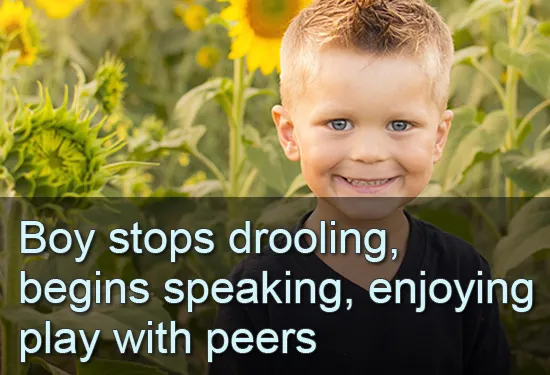
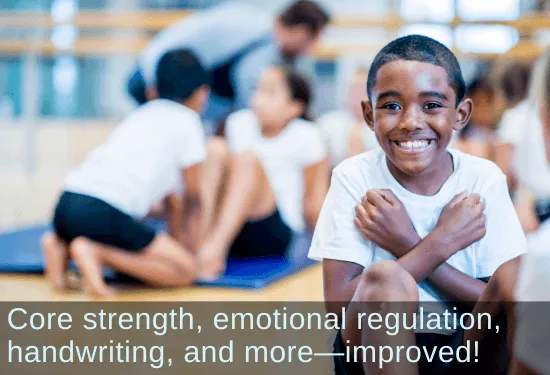
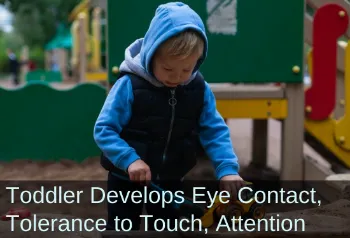
Therapists and parents report that innate rhythmic movements and primitive reflex integration are helpful for increasing eye contact and socializing, along with reducing anxiety. See inspiring case studies featuring children—with and without autism—who went from minimal eye contact to frequent eye contact after engaging in neurodevelopmental movements from the Brain and Sensory Foundations program.