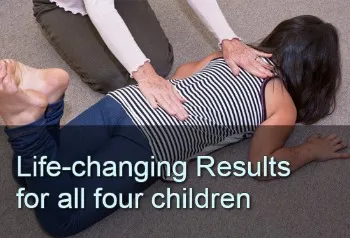
Using Neurodevelopmental Movements to Address Motion Sickness and Dizziness
Numerous rhythmic movements and infant reflexes work to develop vestibular function, proprioception, and head control. When these innate neurodevelopmental movements are incomplete, or immature, then individuals are more likely to experience motion sickness or dizziness. See how primitive reflex integration and rhythmic movements can help to complete developmental processes and alleviate these issues.