

Primitive Reflex Integration Case Studies
Autistic Man Has Better Balance After Reflex Integration
Occupational therapist gets great results using neurodevelopmental movements
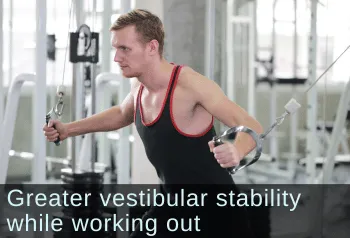
This OT’s adult client struggled to maintain his balance when working out, and he frequently ran into things due to poor visual perception. After a month and a half of rhythmic movements and reflex integration from the Brain and Sensory Foundations course, he had much better balance and was no longer bumping into things!
Submitted by Liezel Gatliff, COTA/L
| Before | After |
|---|---|
| Difficulty with balance in general, but especially during cable pull exercises in the gym | Loss of balance at the cable machine has greatly decreased |
| Poor visual perception caused him to run into things at work | Has not bumped into the shelves/displays at work in the past 2 weeks |
26-year-old male with autism (Level 1) and bi-polar disorder. He has difficulty with balance and visual perception. Upon testing of reflexes, I found that he has underdeveloped Headrighting Reflexes. In asking him about his goals, he expressed that he has difficulty maintaining his balance during cable pull exercises in the gym and this causes him some embarrassment. His poor visual perception causes him to run into things at work. We chose to do the isometrics and other integrative activities for Headrighting from the [Brain and Sensory Foundations] course.
Because he presented with rigidity, we added rhythmic movements [from the Brain and Sensory Foundations course]. We then worked on incorporating Moro, Tonic Labyrinthine Reflex and Fear Paralysis Reflex.
He chose to do the 5-Step Balance [from the Brain and Sensory Foundations course] with his cable pull exercises, with the goal of lifting effectively with adequate stability.
We worked on incorporating these activities as many days a week as his schedule allowed, so I scheduled 2-3 days a week, with each session lasting about 15-20 minutes. When he remembered, he would do the rhythmic movements before bed. It has been about 1.5 months so far.
The client reports that his loss of balance at the cable machine has greatly decreased (it sometimes returns briefly when he increases the amount of weight and has to get readjusted). He has not bumped into the shelves/displays at work in the past 2 weeks.
I learned that no matter the age, reflex integration exercises and rhythmic movements can have a great impact on a person’s function and their confidence in moving through life. This client was very happy with the results and states that he is going to continue doing the activities on his own, especially the rhythmic movements because it seemed to help him with his sleep.
(Edited, emphasis added)
*Disclaimer: The activities in the Brain and Sensory Foundations curriculum make use of the natural processes of neuroplasticity and development that are innately wired in the design of human beings to promote maturity and function. These activities appear to calm, organize, and mature the neuro-sensory-motor systems just as we see in the healthy development of human infants. Individual results may vary, and we do not claim to offer a diagnosis or cure for any specific condition or disorder. The Brain and Sensory Foundations activities appear to improve overall functioning resulting in measurable improvements for a range of conditions as demonstrated in over 1800 case studies from participants.