

Continuing Education Courses in Primitive Reflex Integration & Rhythmic Movements for Optimal Sensory Processing, Executive Function, and Motor Skills
Foundation for Optimal Function—Pediatric Primitive Reflex Integration Course
On Demand • 6 Contact Hours • 42+ Practical Activities
Tuition: $215 USD. Access until February 28, 2027.
Train Your Team! See group rates and purchase order information.
Accomplish More in Less Time with Useful CEUs
Are you serving children who struggle with sensory processing disorders, anxiety, poor regulation, learning challenges, sleep issues, bedwetting, or social-emotional issues? Do you often see children who have fatigue, poor balance, toe-walking, or motor deficits?
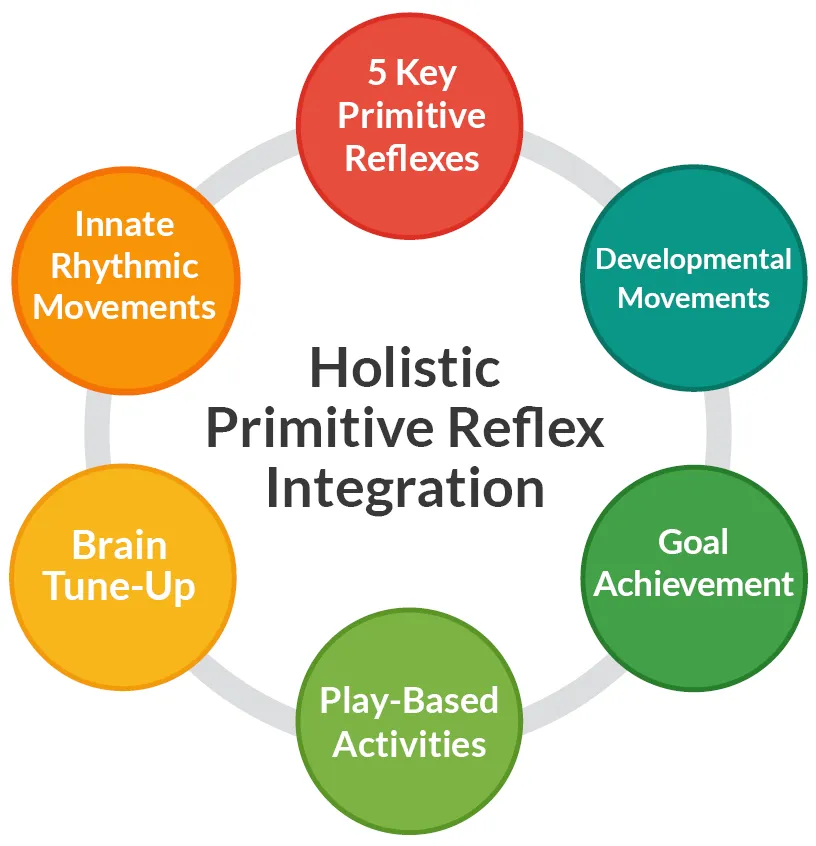
You will be empowered to help children make gains in the foundational skills that translate to meaningful functional abilities. This course gives you 6-hours of useful training that is packed with practical, hands-on activities for the assessment and integration of 5 important primitive reflexes, PLUS other neurodevelopmental and integrative movements that enhance the effectiveness of primitive reflex integration:
- Tonic Labyrinthine Reflex (TLR)
- Asymmetrical Tonic Neck Reflex (ATNR)
- Spinal Galant Reflex
- Moro Reflex
- Symmetrical Tonic Neck Reflex (STNR)
- Innate Rhythmic Movements
- Developmental Movements
- Brain Tune Up
- Playful activities
These neurodevelopmental and integrative movements are highly effective for promoting core strength, stamina, balance, sensory processing, regulation, focus, and learning.
For OT, PT, SLP, social work, and nursing professionals. Also excellent for parents, mental health therapists, and educators.
See CEU information and course details below.
Course Tuition: $215 USD
See the Before and After Difference
The tools from the Foundation for Optimal Function course boost the brain, body, and sensory systems to address a large variety of challenges. Get evidence-based solutions with relaxing and fun primitive reflex integration activities that kids love.
For the children you care about, achieve deep and lasting changes like the ones you see here:
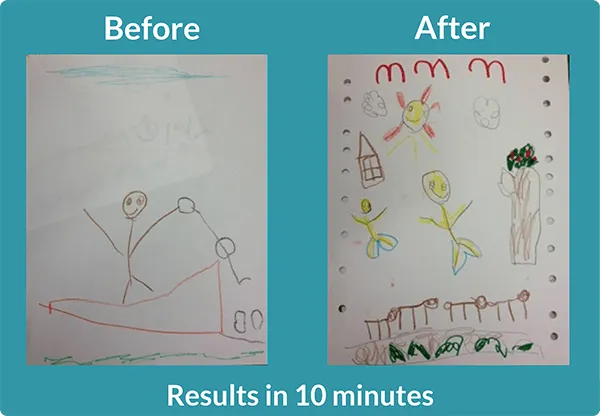
More content, detail, color, and more accurate body proportions after just 10 minutes of innate rhythmic movements.
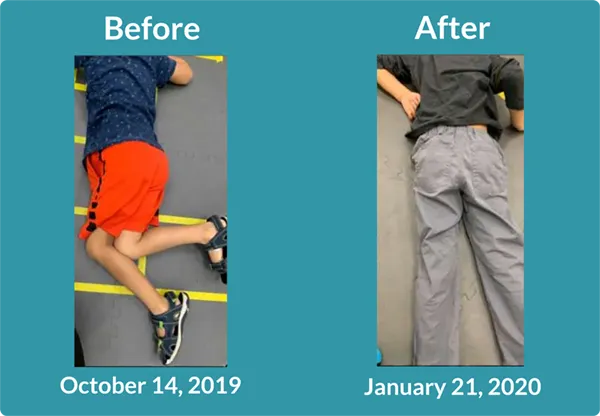
"...curvature of his spine was no longer visible, he was able to maintain prone position comfortably."
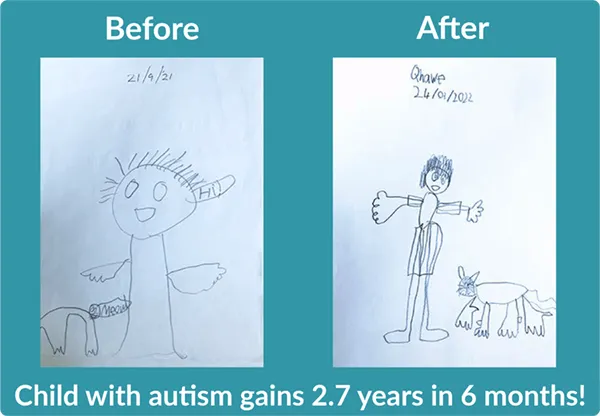
Before: 8.9 years old, test age 4.9 years
After: 9.3 years old, test age 7.6 years
Why the Foundation for Optimal Function Course is Special
Sonia Story, M.S. brings 20 years of experience specializing in primitive reflex integration to give you the best-of-the-best tools, AND a proven system for using these tools in a way that works. Retained primitive reflexes are associated with compensations, stress, tension, and neurodevelopmental disorders. This course provides training in innate rhythmic and developmental movements along with play-based reflex integration activities to release stress, achieve regulation, and mature sensory processing. With these supporting tools you can make primitive reflex integration more comfortable, lasting, and effective.
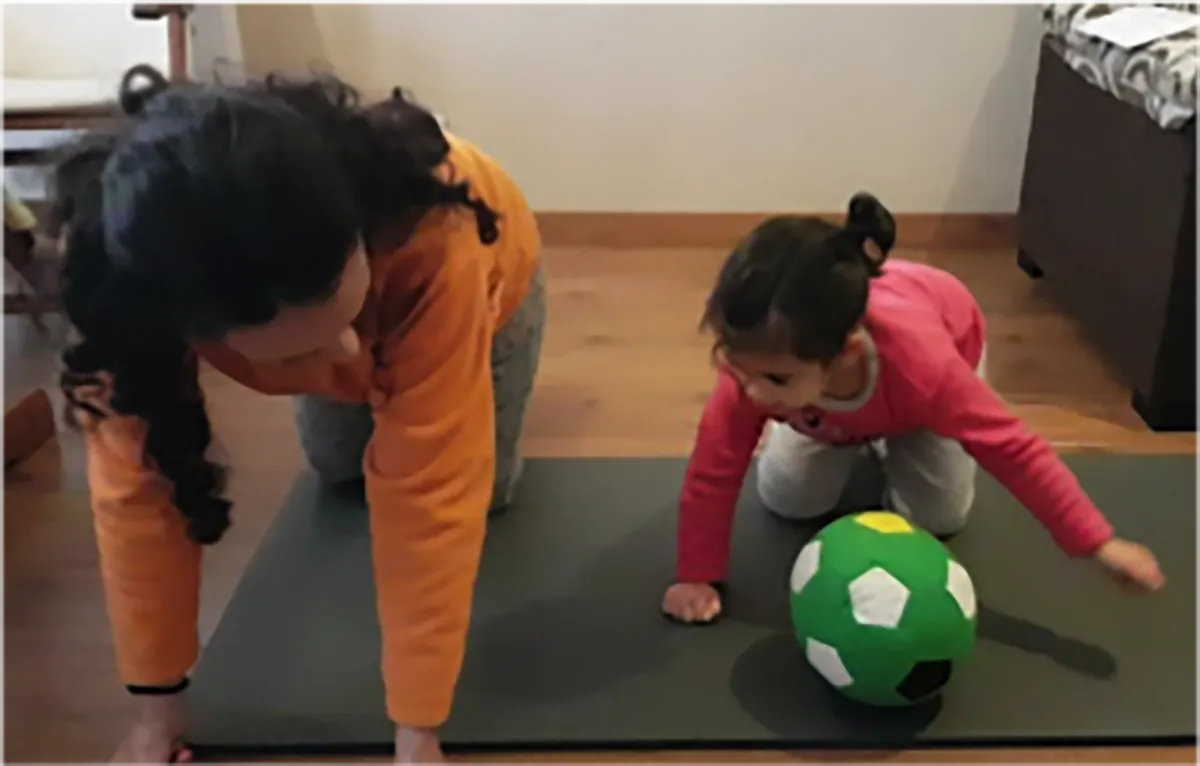
How Does This Translate to Functional Skills?
Here is one of many examples, from an occupational therapist about her experience using these activities with a 4.5-year-old boy:
"...addressing the TLR through rhythmic movements and play-based activities can create meaningful functional changes. I was surprised by how much progress [my client] made in only two months, despite receiving therapy just twice a week [for 30 minutes per session] and not having a home program. One of my biggest takeaways was realizing that many of [my client’s] difficulties…were related to retained reflex patterns rather than simply weakness. As his TLR became more integrated, his posture, endurance, and movement quality improved…”
These exceptional tools—and the knowledge of how to use them—bring measurable improvements in neuro-sensory-motor skills to help children reach functional goals.
What About Children Who Avoid Therapy?
Have you noticed that many children today seem to have more intense challenges?
Some of these sensitive children may be reluctant and difficult to engage. Avoidance is often rooted in sensory disorders, anxiety, trauma, compensation patterns, and fight-or-flight states—we can address all of these challenges with primitive reflex integration. With targeted, calming tools and a gentle approach we have achieved an excellent track-record for engaging children who are sensitive and avoidant—even those who typically refuse other activities. Having a doorway into the nervous system makes all the difference!
Easy, Enjoyable Primitive Reflex Integration for Children

Child-Friendly

Evidence Based
Research shows significant physical, behavioral, and cognitive improvements for children who engage in primitive reflex integration activities.

Great Value
Get Powerful Tools for Successful Outcomes
The Innate Rhythmic Movements are done passively or actively and have profound positive effects. These calming movements help to integrate primitive reflexes, mature sensory systems, and develop the neurological foundations for optimal functioning. Best of all, most children love these movements and often ask for them!
The Spinal Galant helps to develop sensory processing and pelvic movement in infancy. When unintegrated it is associated with bedwetting, tactile sensitivities on the back, scoliosis, back pain, hyperactivity, fidgeting, and poor coordination.
What Course Participants Say
“Very comprehensive for the 1-day course!”
“Incredibly well organized...provided a great deal of useful information.”
“It was very helpful to see the videos of each reflex, and the playful activities that went along with each one.”
“I now have many more ideas of how to integrate different reflexes.”
“Great practical applications and demo.”
“I found all of the information useful from the ways unintegrated primitive reflexes negatively impact us... to how to help integrate them. The videos were very helpful in understanding the movements and exercises especially in the virtual format.”
“The strategies provided are ready to use and are very practical.”
One Course, 42 Primitive Reflex Integration Activities
Check out the number of activities you get for each reflex!
Tonic Labyrinthine Reflex
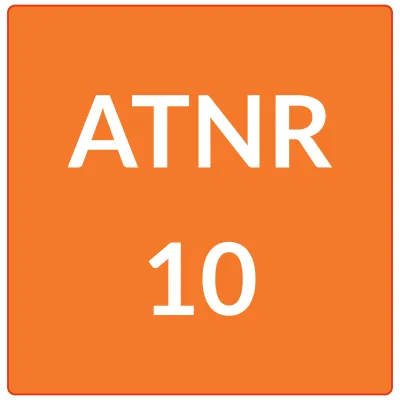
Asymmetrical Tonic Neck Reflex
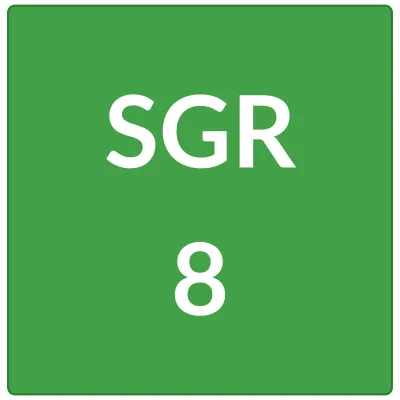
Spinal Galant Reflex
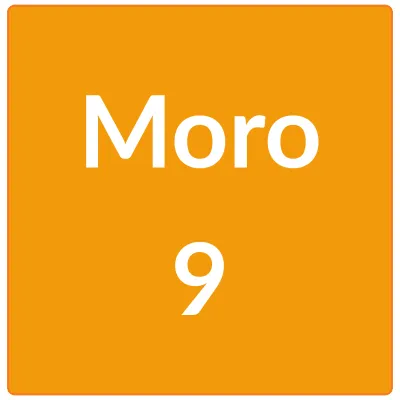
Moro Reflex
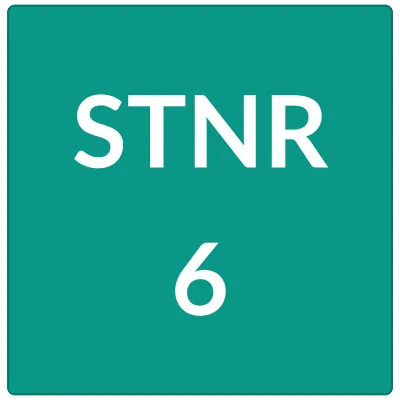
Symmetrical Tonic Neck Reflex
Meet Your Course Instructor

Sonia Story, M.S. has been teaching neurodevelopmental movements since 2006.
Sonia developed the Brain and Sensory Foundations curriculum and the Foundation for Optimal Function course to provide comprehensive training in neurodevelopmental movements—combining innate rhythmic movements, play, primitive reflexes, and postural reflexes.
She earned a Bachelor's degree in biology/psychology and a Master’s degree in Movement Sciences. She is the author of The Importance of Reflex Integration and the Evidence eBook, giving the rationale and evidence basis for using neurodevelopmental movements for helping with challenges such as ADHD, Sensory Processing Disorders, anxiety, emotional dysregulation, visual skill deficits, poor social skills, gross and fine motor delays and other neurodevelopmental and behavioral disorders.
Her work is featured in numerous podcasts, summits, and conferences, and in the books Almost Autism: Recovering Children from Sensory Processing Disorder; Special Ed Mom Survival Guide; Family Health Revolution; and Same Journey, Different Paths—Stories of Auditory Processing Disorder.
Sonia’s mission is to help children and families experience the profound benefits of neurodevelopmental and integrative movements for more functional and fulfilling lives.
Instructor Disclosure: Sonia Story, M.S. is the co-owner, developer, and instructor for Brain and Sensory Support Co. (dba/ Move Play Thrive) and receives compensation for conducting this course. She has no other relevant relationships to disclose.
Continuing Education Information


Foundation for Optimal Function Course Information
Be a Powerful Force for Change
5 Reasons to Embrace This Opportunity Now
- The vast majority of today’s children have motor deficits related to retained (unintegrated) primitive reflexes.
- Kids do NOT grow out of deficits—they need your help now for the best chance at a more optimal future.
- Research shows that retained primitive reflexes are associated with physical, emotional, and cognitive deficits—AND that primitive reflex integration is associated with gains in all of these areas.
- Parents and professionals report better sleep, reduced pain, lower anxiety, and stress relief for themselves as well as children.
- Minimal time investment for maximum benefit: In 6 hours you get a treasure trove of tools for effective primitive reflex integration.
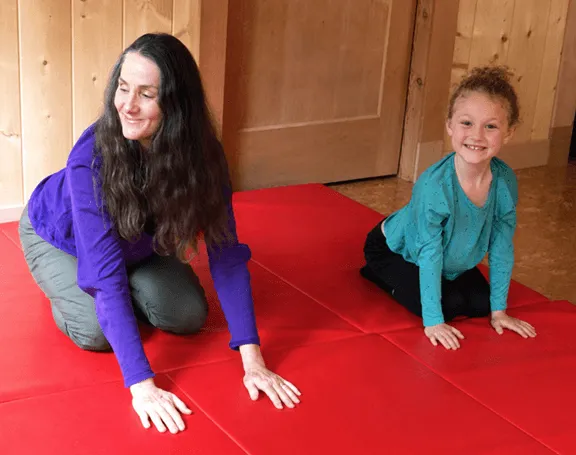
Get outcomes that inspire.
Make your time with children more rewarding!
Enroll in the Foundation for Optimal Function, Pediatric Primitive Reflex Integration Course
This on-demand course gives you 6 contact hours, and is accessible through February 28, 2027.
February 28, 2027 is the last day to earn a certificate of completion and/or CEUs.