

Sensory or Reflexes? Two Sides of the Same Issue
How Primitive Reflex Integration Improves Sensory Processing
Primitive reflexes and sensory processing are intertwined in our neurology and development. Because these systems affect each other, reflex integration can be used to achieve positive outcomes for many sensory-based conditions.
By Sonia Story, M.S.
 Have you noticed that sensory processing disorders (SPD) seem to be at the root of many challenges for children who struggle?
We often observe sensory processing disorders first-hand when working with children with challenges.
However, these challenges are the very same ones that research and experience show us are also associated with retained primitive reflexes.
Should we target sensory systems or the reflexes?
I often get questions about whether a particular challenge is rooted in a sensory issue or whether it is a primitive reflex issue. Should we give a sensory diet, or primitive reflex integration? This is an important question because it affects how we view the challenge and how we determine the best ways to help. But there is a problem because the question itself is misleading. This "trick question" prompts us to think in terms of one system or the other—that is, should we target sensory systems or the reflexes? But we need to get beyond thinking that sensory issues are separate from primitive reflex issues because...
Anytime we integrate primitive reflexes, we are automatically stimulating and maturing the sensory systems!
Each infant reflex is a distinct motor pattern in response to specific sensory input. Primitive reflexes and sensory processing are intertwined in our neurology and in our development; there is no way to separate the two. We may learn about these systems separately, but in living systems infant reflexes never occur in isolation, nor do they occur separately from sensory input. Reflexes and sensory processing systems respond to one another and depend on one another for optimal maturation. Put another way: Without the infant primitive reflexes we cannot have full mature development of sensory processing. Infant reflex integration and sensory processing are holistic, dynamic, and interdependent systems. Without primitive reflex integration, sensory diets may not fully work to get to the core issues.
Like infant reflexes, the innate rhythmic movements are another group of infant neurodevelopmental movements that are critically important for the development of sensory processing. In healthy infants the innate rhythmic movements help to integrate reflexes and develop the sensory systems. These special rhythmic movements provide vestibular, tactile, and proprioceptive input and have a calming and maturing effect on the brain and sensory-motor systems (Blomberg, 2015).
Neurodevelopmental movements have an enormously important role in addressing sensory issues because these are the very same movements that help infants and toddlers to develop and coordinate the sensory processing systems in the first place. Not only that, the sensory-motor systems are a true doorway into the nervous system as well. So what we are really doing with these targeted neurodevelopmental movements is maturing the neuro-sensory-motor systems, all at once.
I believe that a better way to think about children's challenges is through the broader lens of development itself because this leads to more effective interventions. For example, if we were to address just sensory issues through sensory inputs, we would miss these all-important inputs:
- Infant primitive reflexes
- Innate rhythmic movements
- Postural reflexes
- Developmental movements
- Tactile integration
- Playful and social aspects of development
All of these contribute to optimal development and all are combined to build the neuro-sensory-motor maturity that allows our children to function more optimally. This is why we include all of these activities in the Brain and Sensory Foundations course—this broad and comprehensive set of tools gives us the best chance to harness the inherent power of development and help children lead more functional and happier lives.
The following three articles show examples of how and why innate neurodevelopmental movements are the most viable and effective doorway to mature the neuro-sensory-motor systems and promote deep and lasting change. Check out our Video Library to see many examples of how reflex integration helps with sensory integration and functional skills.
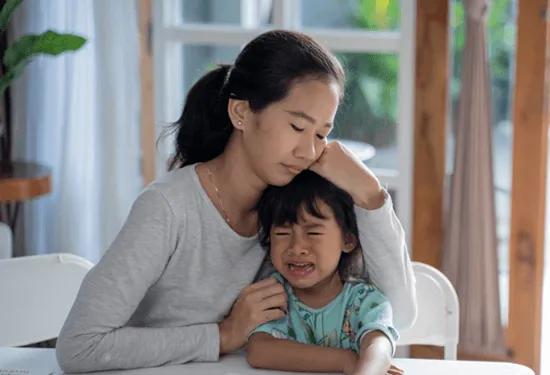
How to Tame Meltdowns and Manage Transitions
Get the 5 root causes of anxiety in children with behavioral issues and emotional outbursts—all relate to sensory issues, and all have shown great improvements with rhythmic movements and primitive reflex integration.
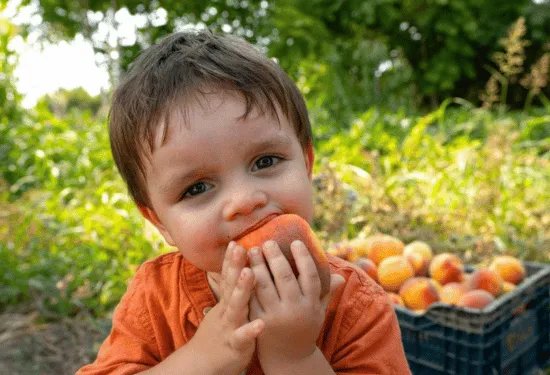
What's at the Root of Feeding Issues?
Feeding issues often stem from motor deficits and concurrent sensory issues, such as sensitivity to texture or to the sound of chewing. Learn how we can use reflex integration and rhythmic movements to develop the neuro-sensory-motor systems and support optimal feeding.

A Sensory-Motor Approach to Mental Health
Did you know that developing the sensory systems using reflex integration has shown great outcomes in reducing anxiety and improving mental health? Go to the article to get research, case studies, and a FREE 1-Hour Course!
References
Blomberg, H. (2015). The rhythmic movement method: A revolutionary approach to improved health and well-being. Lulu.com.

Sonia Story, M.S. has been teaching neurodevelopmental movements since 2006.
Sonia developed the Brain and Sensory Foundations curriculum and the Foundation for Optimal Function course to provide comprehensive training in neurodevelopmental movements—combining innate rhythmic movements, play, primitive reflexes, and postural reflexes.
She earned a Bachelor's degree in biology/psychology and a Master’s degree in Movement Sciences. She is the author of The Importance of Reflex Integration and the Evidence eBook, giving the rationale and evidence basis for using neurodevelopmental movements for helping with challenges such as ADHD, Sensory Processing Disorders, anxiety, emotional dysregulation, visual skill deficits, poor social skills, gross and fine motor delays and other neurodevelopmental and behavioral disorders.
Her work is featured in numerous podcasts, summits, and conferences, and in the books Almost Autism: Recovering Children from Sensory Processing Disorder; Special Ed Mom Survival Guide; Family Health Revolution; and Same Journey, Different Paths—Stories of Auditory Processing Disorder.
Sonia’s mission is to help children and families experience the profound benefits of neurodevelopmental and integrative movements for more functional and fulfilling lives.